
Can a Dentist Detect Oral Cancer Early? Insights from Sacramento Experts
Oral cancer is most treatable when found early, often before pain appears. During routine checkups at a dental office in Sacramento, dentists assess soft tissues, review symptoms and risks, and decide whether adjunctive screening can help. This guide explains what clinicians look for, which signs deserve attention, how screening tools fit into care, and simple ways you can support early detection at home.
Why Early Detection Matters
Small changes can signal bigger concerns, and timely discovery improves options and outcomes. Benefits include:
- Less invasive care: Limited lesions often require simpler procedures.
- Better function: Early treatment helps preserve speech, chewing, and swallowing.
- Clearer plans: A documented baseline guides monitoring and referral decisions.
- Lower overall burden: Early steps can reduce treatment time and costs.
Quick reminder: A painless sore that persists beyond two weeks still warrants an exam.
What Your Dentist Checks at Every Visit
A structured head-and-neck exam is efficient and thorough. Your clinical team will typically:
- Ask targeted questions about lingering sores, hoarseness, swallowing difficulty, ear pain, or numbness.
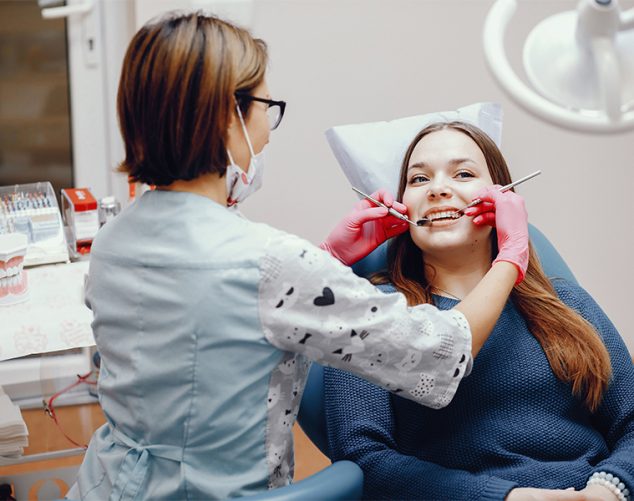
- Inspect tissues, cheeks, lips, gums, tongue (top, sides, and underside), floor of mouth, palate, and throat, for color changes or ulcers.
- Palpate gently to feel for thickening, firmness, or tender lymph nodes.
- Document findings with measurements and photos for comparison.
- Schedule follow-up if an area looks suspicious or fails to improve within two weeks.
Anyone dealing with a sore that isn’t improving should schedule a visit with a dentist near you rather than waiting for the next checkup
Warning Signs You Should Not Ignore
Most mouth changes are beginning, but call your dentist if you notice:
- A sore or ulcer that does not heal within two weeks
- White (leukoplakia), red (erythroplakia), or mixed red-white patches
- A lump, rough spot, or unexplained bleeding
- Persistent sore throat, voice change, or the sense of something “stuck”
- Numbness of the tongue or lip, or a new neck mass
- Dentures that suddenly feel ill-fitting without a hardware change
Tip: Take a quick photo on day one and again after two weeks. Visual timelines help during exams.
Who Needs Closer Monitoring?
Your screening schedule often depends on your personal risk factors. Factors include:
- Tobacco exposure: Cigarettes, cigars, pipes, smokeless products, and vaping aerosols
- Alcohol use: Especially heavy or frequent consumption
- HPV risk: A leading factor for many oropharyngeal cancers
- Sun exposure to the lips: Limited SPF protection increases risk
- History and family factors: Prior dysplasia, prior oral cancer, or head-and-neck cancer in close relatives
- Nutritional gaps or chronic irritation: Poor intake of fruits and vegetables, friction from damaged appliances
Ask your dentist how these elements affect your screening plan and whether specialist input is appropriate.
Screening Tools Dentists Use, And What They Mean
A thorough look and feel of the tissues is still the most reliable starting point for screening. When findings are unclear or risks are higher, adjuncts may help:
- Fluorescence visualization: Highlights patterns that differ from surrounding tissue.
- Chemiluminescent lights: Improve contrast and help outline a lesion’s borders.
- Vital staining: Dyes can accentuate surface changes that merit closer evaluation.
- Intraoral photography: Provides a precise baseline for comparisons over time.
- Referral for biopsy: The only way to confirm a diagnosis; performed by an oral and maxillofacial surgeon or another qualified specialist.
If you are comparing oral cancer screenings in Sacramento, CA, ask how the office integrates these tools with clinical judgment, documentation, and timely referral.
How Often Should You Be Screened?
Most adults are screened during periodic exams, commonly twice yearly. High-risk patients may need shorter intervals. To stay on track:
- Pair your screening with dental cleaning in Sacramento so soft-tissue checks happen on a predictable cadence.
- Schedule a re-check if a lesion persists longer than two weeks or changes in size, color, or texture.
- Share updates on new medications, illnesses, or lifestyle changes; context informs decisions.
- Use reminders on your phone so follow-ups don’t get lost in a busy calendar.
Self-Checks and Prevention Between Visits
You can support early detection with simple monthly habits:
- Look and feel: Under good lighting, inspect cheeks, gums, palate, tongue (especially sides and underside), and the floor of the mouth.
- Check your neck: Gently feel along the jawline and neck for new lumps or tenderness.
- Photograph and note: Track any spot from day one; recheck at two weeks.
- Protect your lips: Use SPF lip balm and limit midday sun exposure.
- Avoid tobacco and limit alcohol: Reducing both meaningfully lowers risk.
- Support overall health: Keep up with routine medical care and recommended vaccinations; choose a diet rich in colorful produce.
- Maintain appliances: Replace worn mouthguards or denture components that irritate tissues.
How Your Dental Team Coordinates Care
If something looks suspicious, expect a clear, stepwise plan:
- Explanation first: What the clinician sees, why it matters, and what “watchful waiting” means if appropriate.
- Baseline documentation: Photos, measurements, and chart notes for precise follow-up.
- Defined timeline: When to return (often 10–14 days) and what changes trigger earlier contact.
- Referrals when needed: Collaboration with an oral surgeon, ENT, or your physician.
- Written guidance: So you leave with next steps, indicators to monitor, and an easy way to reach the office.
Final Thoughts
Dentists are trained to notice subtle tissue changes that patients often miss. Consistent exams, timely follow-ups, and small daily habits create a strong safety net. If a spot lingers or something feels different, don’t postpone, call your dental team and mention your concern. Thoughtful screening and prevention support long-term comfort and health with Esskay Dental.